


By Dan Lawson, Real Estate Professional
Moving and pet safety matter when relocating in or out of Hampton Roads, VA. Learn how to protect your pets before, during, and after a move in suburban neighborhoods, downtown areas, and rural country settings.
Moving is exciting. It is also disruptive. Add pets into the mix, and things can feel overwhelming fast.
I’m Dan with the Dan Lawson Real Estate Team, and I recently came across an article from Trending Home News that is an important topic, Moving 101: Pet Safety. I help buyers and sellers move all across Hampton Roads. One thing I see consistently: People plan every detail of their move but their pets still have a hard time with the move and settling in.
Dogs, cats, and other animals depend on routine. When boxes begin to pile up and doors are left open, their sense of security disappears and their anxiety starts to rise. That is why moving and pet safety should be part of your plan from the very beginning.
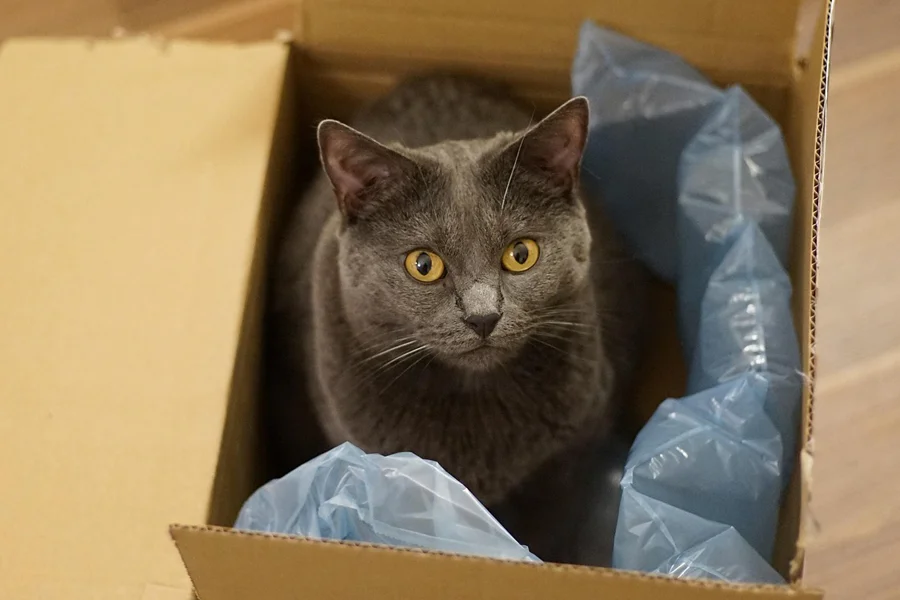
Why Moving Impacts Pets more than People Expect
Pets read change quickly. New smells, unfamiliar voices, and altered schedules signal danger to them. Stress can manifest as hiding, barking, pacing, or accidents.
In Hampton Roads, VA challenges will vary by location.
Suburban neighborhoods in Virginia Beach, for example, bring traffic, neighbors, and noise. Rural properties in Suffolk, VA introduce open land, wildlife, and fewer physical boundaries. Both environments require different safety strategies and without planning, pets are far more likely to escape, get injured, or struggle to adjust. That’s why moving and pet safety is so important.
Before Moving Day: Make Time to Prepare Your Pet, Not Just your Boxes
A smooth move starts weeks before the truck arrives.
First, update your pet’s identification. Moves are the most common time pets go missing, so make sure collars fit properly and tags show your current phone number. If your pet is microchipped, confirm the registration is accurate.
Next, create a calm space. Choose one room that stays quiet while packing happens elsewhere. Keep food bowls, beds, and toys there. Familiar scents help lower anxiety.
Also, consider the destination. Are you moving to a rural property in Isle of Wight County or Chesapeake, VA? Will fencing be installed later? Are there nearby waterways or livestock? Thinking ahead helps prevent problems later.
If needed, schedule a vet visit to discuss your pet’s specific moving needs or medications needed during the transition. This is especially helpful when relocating to areas where care may be farther away or if you anticipate it taking time to find a new vet.
Moving Day: Control the Chaos
Moving day is the riskiest time for pets.
Doors open constantly. Strangers move in and out. Noise levels spike. All of this increases the chance of escape or injury.
The safest option is temporary care. A trusted friend, family member, or boarding facility keeps pets safe and out from underfoot. If pets stay in the home, confine them to a closed room with clear signage.
Transport pets separately when possible. This allows you to focus on them rather than juggling logistics at the same time.
For local moves within Hampton Roads, VA, timing helps. Avoid peak traffic hours to reduce stress during transport.
After the Move: Help Pets Settle in Safely
Once you arrive, resist the urge to give pets full access immediately.
Start small. One room at a time works best, especially for cats. Keep feeding and walking schedules consistent. Routine builds confidence quickly.
For dogs, leash walks are essential at first. This is especially critical in rural areas where open land feels inviting but carries real risks. Moving and pet safety become even more important when you move to a home with a lot of land.
Check fencing carefully. Look for gaps, loose boards, or wildlife paths. In suburban areas, pay attention to unfamiliar traffic patterns and nearby parks.
Most pets adjust well within a few weeks when parents stay calm and consistent.
Why Moving and Pet Safety Matter when Choosing a New Home
Here is something many buyers overlook. Not every home works for every pet.
Lot layout, yard size, road proximity, and zoning all affect animal safety and quality of life. Large dogs may struggle in tight subdivisions. Indoor cats may panic living near busy roads in downtown Norfolk, VA. Rural properties require a clear plan for boundaries.
This is where Local Expertise Matters
When I work with clients, we talk through lifestyle and pets early in the process. That includes fencing options, land use, neighborhood activity, and future building plans. In Hampton Roads, VA where suburban streets and country acreage exist side by side, these details matter more than people realize.
A Final Note from Dan on Moving and Pet Safety
Your pets are family. A successful move protects them just as much as it protects your belongings.
If you are planning to buy, sell, or build anywhere in Hampton Roads, VA, I would love to help you find a home that truly fits your lifestyle and your pets. From quiet neighborhoods to wide-open land, I guide clients through smart decisions that go beyond square footage.
Reach out to me at The Dan Lawson Real Estate Team when you are ready to make your next move. We help people and their pets move forward with confidence. (757) 435-9900